
Top 5 Common Carp Fishing Mistakes That Cost You Catches (And How To Avoid Them!) – An Insight From Myon Baits
Hello, fishing enthusiasts! We all dream of those memorable moments at the water's edge, when the buzzer goes off and the adrenaline pumps through our veins. But often without realizing it, we make subtle—or even obvious—mistakes that prevent us from reaching our full potential. Of those over 15 years experience in carp fishing, both as a hobbyist and as the founder of Myon Baits, I have had the opportunity to observe countless scenarios and learn from my own mistakes as well as those of other anglers. Whether you're an enthusiastic novice just starting out or a veteran with years of experience, there are some common carp fishing mistakes that can make the difference between a successful game and a frustrating one. This article is designed to help you identify and correct the 5 most common mistakes, turning failures into valuable lessons. Get ready to revise and improve your strategy, fish smarter and most importantly land more carp on the landing mat!
Here are the 5 mistakes that we will analyze in detail:
- Neglecting Hook Sharpness
- Ignoring Carp Location
- Changing Too Many Parameters At Once
- Obsession with Expensive Equipment
- Lack of Patience and Perseverance
Mistake #1: Neglecting Hook Sharpness (and Why It's Fatal)
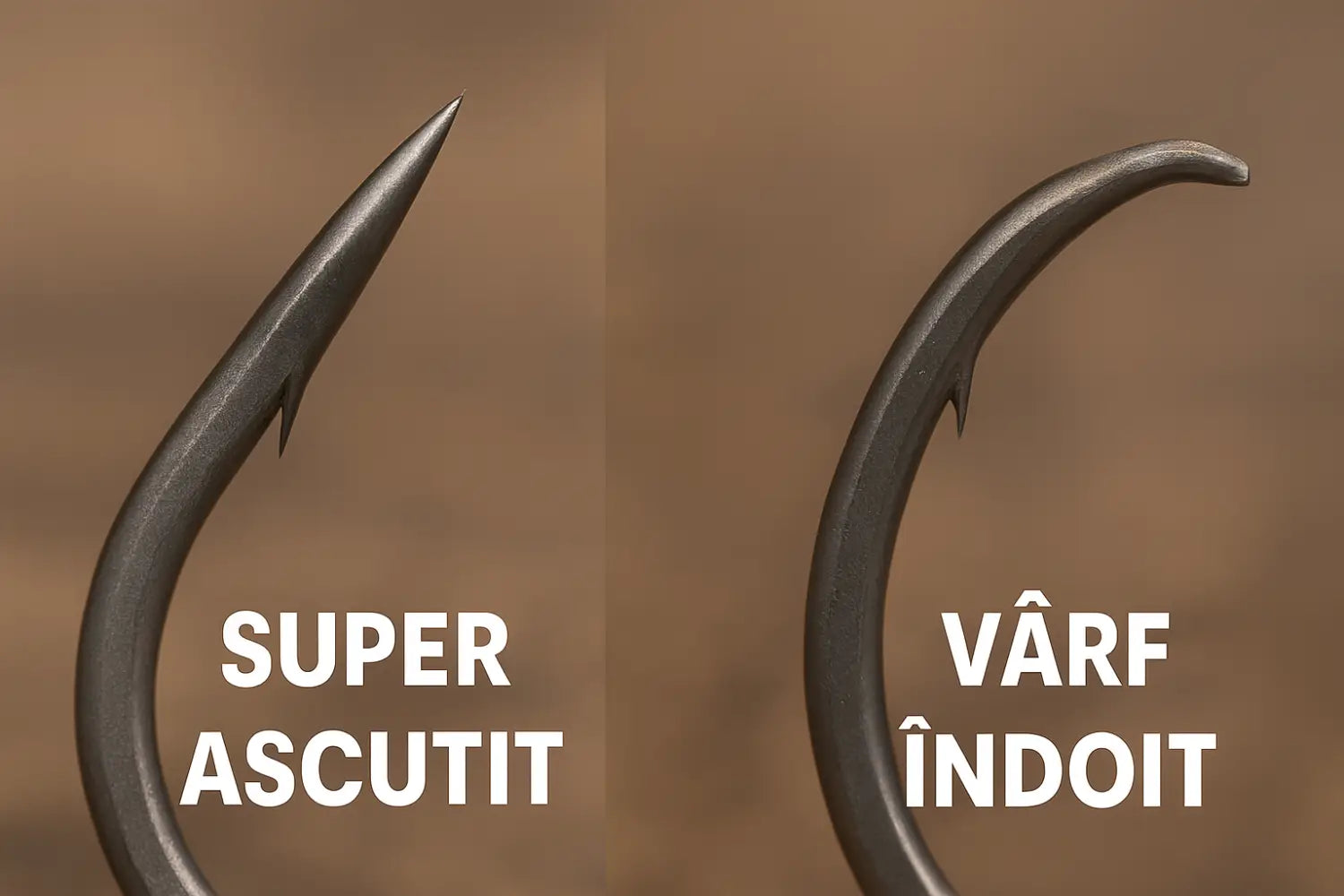
- The problem: This is probably one of the most underrated and at the same time the most expensive mistakes in carp fishing. In my 15 years of experience on the water, I have seen countless games lost due to a neglected hook. A hook that appears "sharp enough" to the naked eye may in reality be far too blunt to effectively and quickly penetrate the carp's hard, cartilaginous mouth. Think of the hook like a surgical needle – it must be flawless to serve its purpose. Any small imperfection, a bent, rounded tip or even a small scratch, can drastically reduce the puncture rate. Carp tend to spit out suspect bait quickly, and a hook that doesn't set instantly and deeply will result in frustrating misses, shallow stings that result in the fish being lost in the rig, or worse, needlessly injuring the fish. Even after a single catch, a hook can lose its sharpness by rubbing against boulders, underwater structures or even the fish's lip.
- The solution: The solution is simple, but requires discipline: check the sharpness of the hook on every launch and especially after each trait or drill. The "nail test" method is classic and effective: gently place the tip of the hook on the thumb nail; if it slips, it's not sharp enough. If it "hangs" instantly and does not slide, then it is perfect. Invest in a high-quality hook sharpener – there are models with diamond stones that are extremely effective. Don't skimp on the hooks! A new, super sharp hook is a minor investment compared to the satisfaction of a successful catch. Also note that some manufacturers have hooks with stronger, specially treated tips. Keep them in separate boxes to protect their tips. Remember, a sharp hook is your first and most important direct connection to your fish; make sure it's perfect!
Mistake #2: Ignoring The Carp's Location (Not Where You Want It, But Where It Is!)
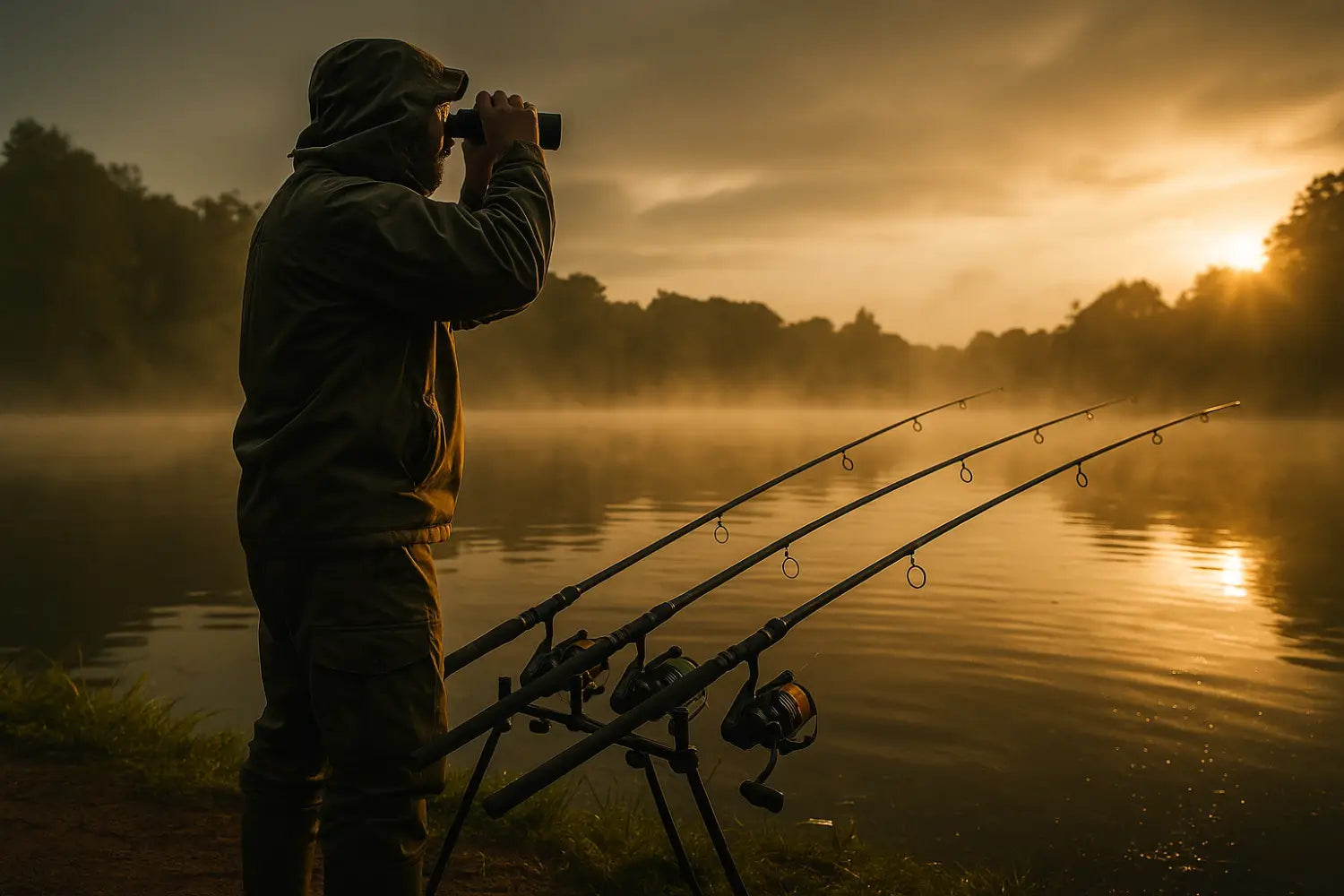
- The problem: This is a fundamental mistake that, paradoxically, is made by both beginners and experienced fishermen. Many times, we arrive on the pond with preconceived ideas or out of habit, casting in the same "good" spots every time, without asking ourselves where the carp actually are at that time of day or in those conditions. Carp is an adaptable creature, and its feeding behavior and location vary significantly depending on a multitude of factors: water temperature, depth, presence of underwater structures (hooks, sills, plateaus, vegetated areas), currents, atmospheric pressure, sunlight and even shore noise. Casting into an empty spot or an area where the carp don't feel safe or can't find food is a massive waste of time and effort. I learned all these years with Myon Baits that the best hook in the world won't catch anything unless it's where the fish are.
- The solution: Be a detective! The first and most important rule is to you observe the water and the environment. Look for signs of activity: are carp jumping to the surface (especially early morning or evening), are there bubbles on the bottom indicating feeding, is the underwater vegetation moving in a suspicious way? Use your senses and the marker! Use them to explore the bottom of the water, to identify sills, pits, hard or soft substrate. Map the promising areas mentally or even on a sketch. Talk to other anglers or the pond manager – they can provide valuable information about productive areas. Don't be afraid to adjust your strategy and move if a place isn't performing after a reasonable amount of time. Carp fishing is a game of chess with nature and your moves must be calculated and informed.
Mistake #3: Changing Too Many Parameters At Once (Recipe for Total Confusion)
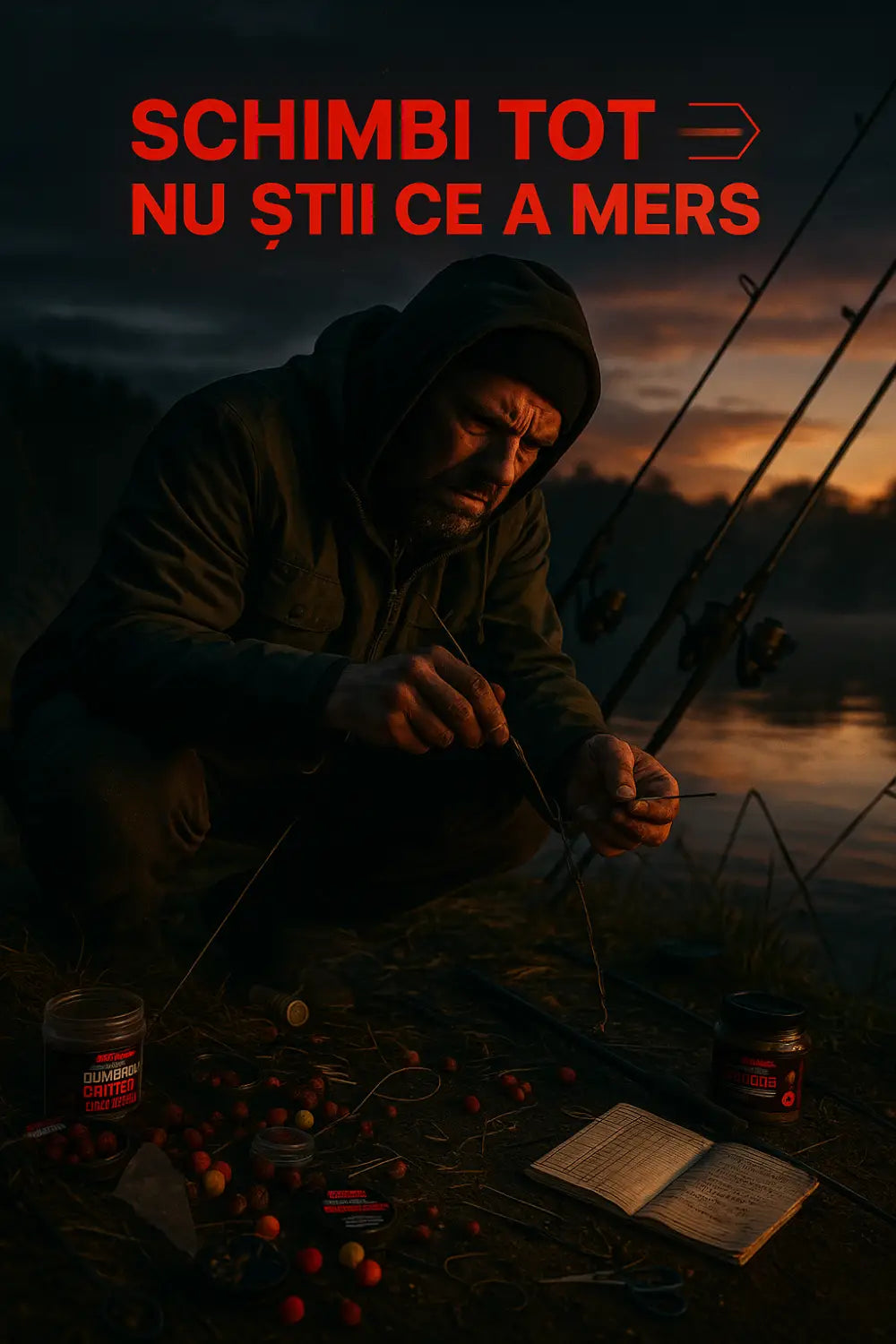
- The problem: Frustration is a common feeling in fishing, especially when lures are slow to appear. At such moments, many fishermen panic and adopt a chaotic approach: "I'm not catching? Then I change everything!" This can mean changing bait, lure, hook size, rig type, jig length, fishing spot and even depth - all in a short amount of time. The major problem with this strategy is that if you do eventually catch a fish, it becomes almost impossible to know exactly what worked and why. Did you change the nada? Or the mount? Or have the carp simply started feeding in that area? This lack of clear feedback leads to confusion, an inability to learn from experience, and repeating the same mistakes in future games. As the founder of Myon Baits, I understand the desire to find the magic solution, but experience has taught me that patience and methodology are key.
- The solution: Be methodical and patient! The right approach is to change one parameter at a time and give it enough time (a few hours or even half a day, depending on the conditions) to show its effectiveness (or ineffectiveness). For example, if you suspect that the nada is not attractive, just change the nada. Maybe you have a varied range of boilies and popups from Myon Baits – test a different flavor or color combination. If after a few hours you have no results, then you can consider changing the mount. Another extremely useful tool is fishing log. Carefully note the date, time, weather conditions (air and water temperature, pressure, wind), the exact location, the type of bait and lures used, the mounts and, of course, the results. In the long run, this journal will become an invaluable resource, helping you identify patterns of success and avoid repetitive mistakes. Carp fishing is a continuous learning process and a systematic approach is the key to success.
Mistake #4: Obsessing over Expensive Gear (It's Not the Price That Catches the Fish, It's the Skill!)
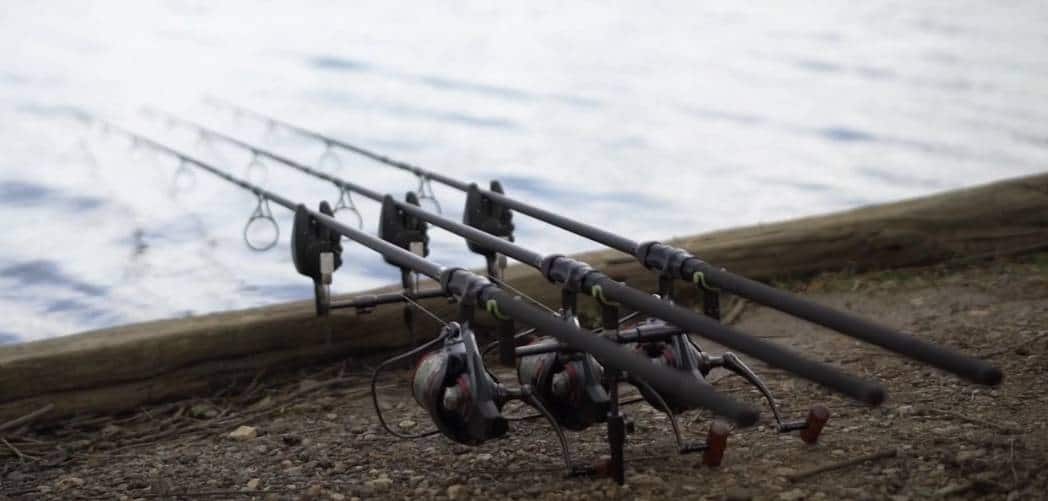
- The problem: In the modern era of carp fishing, aggressive marketing and social pressure can lead to an obsession with ultra-expensive, state-of-the-art equipment. There is a tendency to believe that thousands of euro rods, reels with dozens of bearings, futuristic rodpods and luxury accessories are the key to guaranteed success. Of course, the quality of materials and reliability are important, but getting lost in the details of the most expensive "gadget" while ignoring or neglecting the basic techniques and fundamental principles of fishing is a costly mistake. Expensive equipment does not automatically make you a better fisherman. A good angler can catch fish with decent and well-maintained gear, while an angler without knowledge and skill will catch nothing, no matter how expensive his gear is. This obsession can also lead to unnecessary investments, emptying the wallet without a real return in catches. From my experience of 15 years, I've seen games won with modest equipment but impeccable tactics.
- The solution: Invest smart and prioritize skills! Make sure you have reliable, durable gear that fits your fishing style and, most importantly, your budget. It doesn't have to be the most expensive, but the one that works right. Focus on learning and perfecting the essential techniques: reading the water correctly, casting accurately, tying correct and strong knots, perfect rig balance, casting techniques and, of course, effective drilling. Participate in workshops, watch video tutorials from experienced fishermen, read specialized articles. Skill, knowledge and understanding of carp behavior are far more valuable and bring more fish to shore than the most expensive lure or rod. Remember, it's not the gear that catches the fish, it's the angler behind it. And don't forget, a quality nada, like those from Myon Baits, can make a huge difference regardless of the price of the rod.
Mistake #5: Lack of Patience and Perseverance (Carp Fishing Is a Marathon, Not a Sprint)
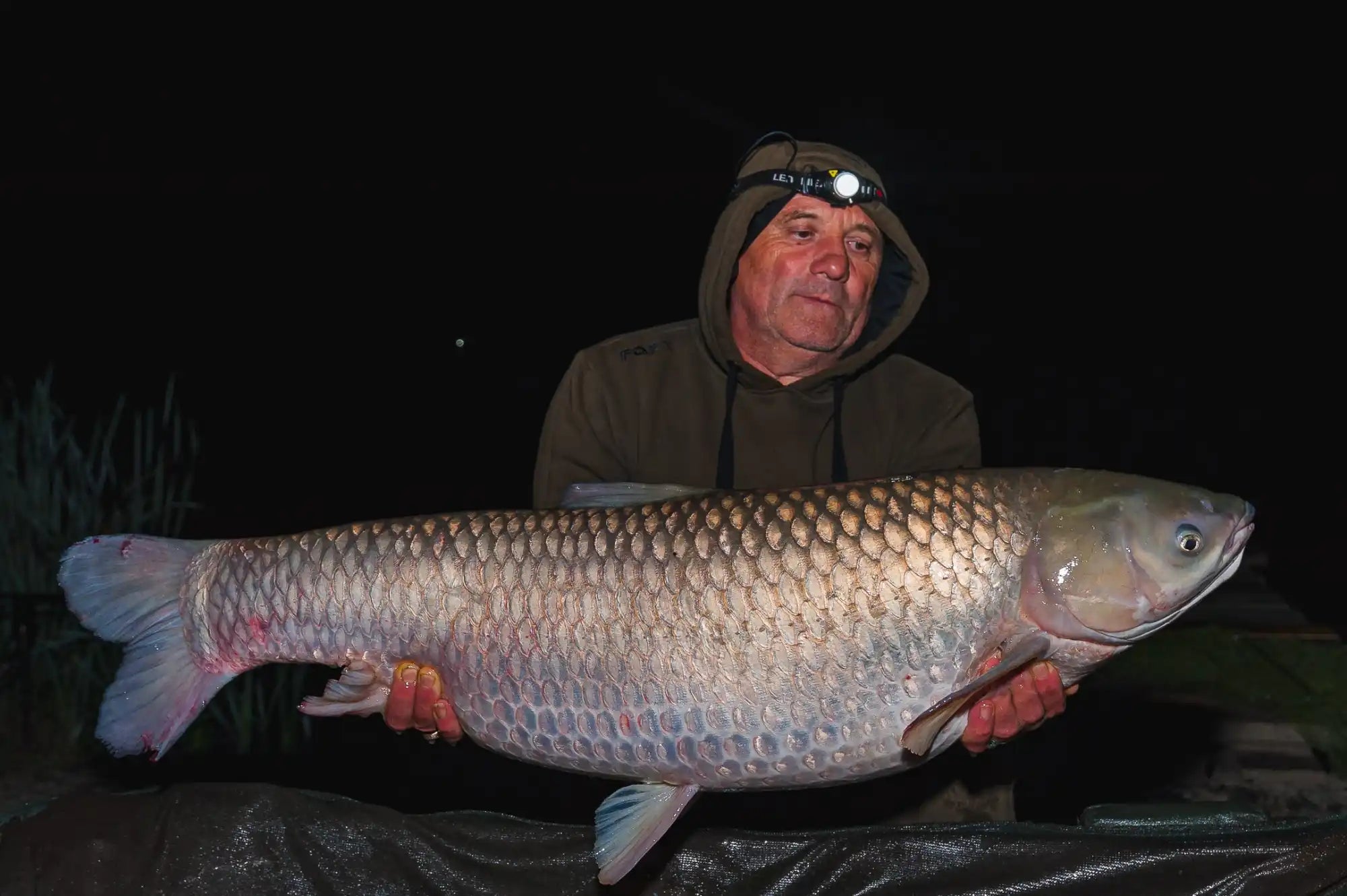
- The problem: Carp fishing is, by its very nature, an activity that requires considerable patience. It's not a sprint, but rather a marathon. I can go hours, or even days, without a single lure, especially in difficult conditions or on lakes populated with fussy fish. Some anglers, especially those at the beginning of the journey, quickly become demotivated in the face of a lack of action. This lack of patience causes them to make rash decisions: they pack their gear too soon, abandon a promising spot before the lure takes effect, or start making chaotic changes (as discussed in Mistake #3) that further confuse their strategy. A restless and unpersevering mind will often miss valuable opportunities before the fish even have a chance to reach the mount. Carp fishing is a game of waiting and trusting your chosen strategy. In my 15 years of fishing, I have had countless sessions where persistence was the only "magic bullet" that brought the desired result.
- The solution: Adopt a Zen mindset! Patience is undoubtedly one of the most important virtues of a successful carp angler. Before starting the game, plan your session, trust your strategy based on information and give it enough time to work. Set realistic expectations – not every game is going to be a record. Use the waiting time to observe the water, study the behavior of other anglers, prepare your equipment for a possible lure, or simply enjoy the peace and nature. Meditate on next steps, but don't change your plan in the first hour of inactivity. Perseverance is what will keep you standing when others would give up, and often the greatest rewards come after the longest wait. Remember, every hour spent on the water is a lesson, even without a catch.
Conclusion
In fishing, no one knows it all. Me neither...
Even after more than 15 years on the shore, I admit that I still have a lot to learn. Each game brings another lesson, another context, another fish. But one thing I've learned for sure: fishing gets better when you rely on observation and statistics, not by luck. Score, compare, adapt — and the results are not long in coming.
Carp fishing is not just about how many fish you catch. It's about balance—between patience and action, between passion and discipline. Enjoy every moment you spend on the shore, even when it's quiet. That's where the magic is hidden.
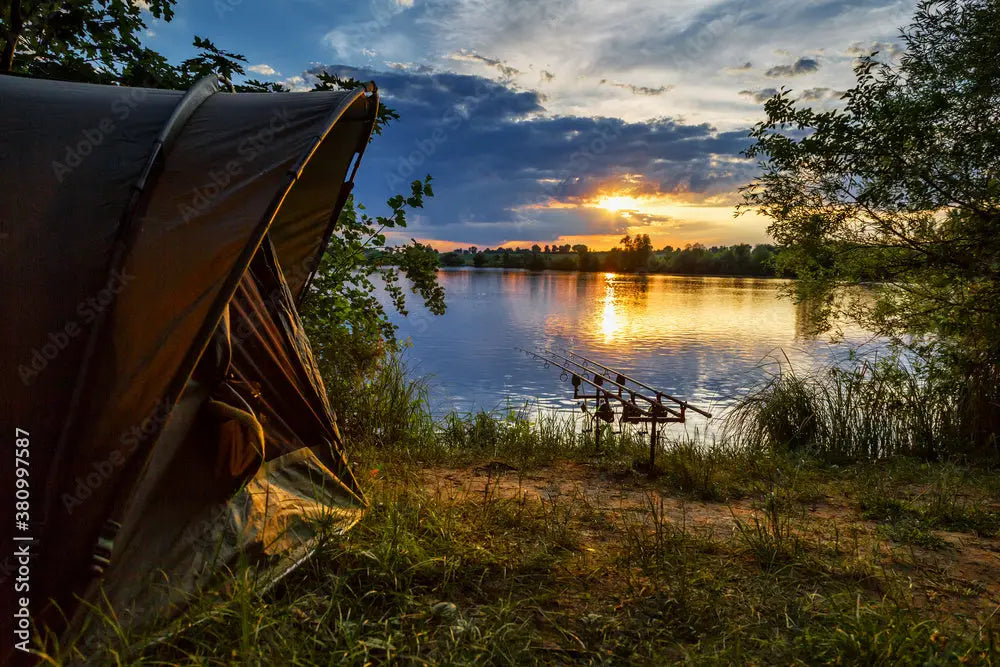
Sport fishing means catch and release, caring for nature and the ponds that give us these moments.
🎣 Catch, release, learn and always get better.
Stretched thread!
Sincerely,
Mark Molnar
Founder Myon Baits